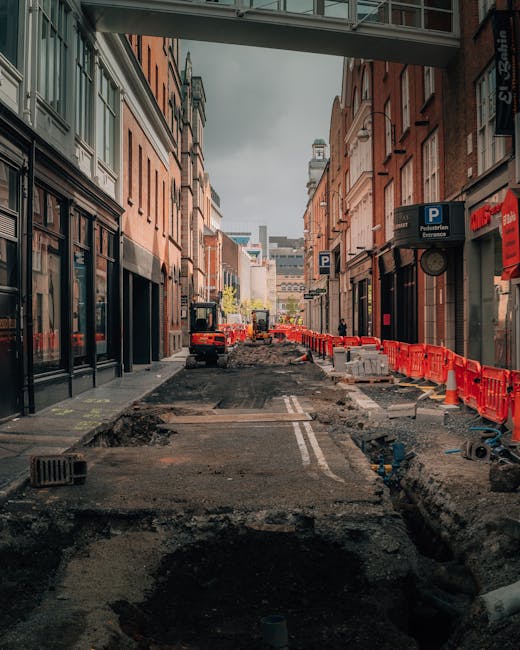
Sloane Square rubbish clearance guide for narrow street access

If you need rubbish cleared in Sloane Square, the job can look simple on paper and then become oddly complicated the moment a van tries to turn, a pavement narrows, or a neighbour's doorway sits exactly where you need space. That is the reality of rubbish clearance in this part of London: elegant streets, tight access, busy timings, and very little room for improvisation. This Sloane Square rubbish clearance guide for narrow street access is here to make the process clearer, calmer, and much more practical. Whether you are clearing a flat, managing builder's waste, or dealing with bulky items after a move, the right plan saves time, reduces disruption, and avoids expensive mistakes.
In the sections below, you'll find how narrow-street clearance usually works, which methods suit different loads, what to watch out for, and how to choose the least painful option. Let's face it, nobody wants a skip half-blocking a Chelsea side street at 8am on a wet Tuesday.
Why Sloane Square rubbish clearance guide for narrow street access Matters
Narrow access changes everything. A large van may not fit where you expected, a skip may need a permit and very careful placement, and a quick clearance can become a logistical puzzle if loading bays, residents' parking, delivery vehicles, or tree-lined kerbs get in the way. Around Sloane Square, that matters even more because the streets can feel compact, polished, and busy all at once.
Good clearance is not just about taking waste away. It is about moving it efficiently, safely, and legally with as little friction as possible for you and for anyone else using the street. If you are clearing a basement flat, a mews property, a small office, or a refurbishment project, your access plan will often decide whether the job is smooth or stressful.
There is also a trust factor here. Narrow access usually means more manual handling, more coordination, and more need for clear communication. The service provider should know how to assess the route, where waste will be staged, what vehicle can realistically get in, and whether a skip permit or a different removal method is the better choice. That sort of judgement makes a real difference.
Expert summary: In Sloane Square, the best rubbish clearance plan is rarely the biggest vehicle or the fastest promise. It is the one that matches access, load type, timing, and local constraints without forcing the street to fit the job.
How Sloane Square rubbish clearance guide for narrow street access Works
Rubbish clearance on a narrow street usually starts with access, not waste. First, the team looks at the route: road width, turning room, kerb space, loading restrictions, obstructions, and whether the waste can be collected from inside the property or must be staged outside. Then they match the method to the access conditions.
For example, if the property has a front garden, wide hallway, or side passage, a standard collection may work well. If access is tight or the waste is heavy, a man and van style service or a wait and load skip hire arrangement may be more practical. In some cases, a grab hire service can reduce the need for street-side loading altogether, though vehicle reach and site layout still matter.
For bulky items, clearance teams often work room by room. That is slower than simply dumping everything outside, but it is safer and usually more efficient in a constrained location. If you're dealing with mixed waste from a refurbishment, builders waste removal or construction waste clearance may be the right route, while domestic jobs can be better served by domestic skip hire or direct collection depending on what can physically get in and out.
Access planning also affects timing. Morning traffic, school-run pressure, deliveries, or nearby businesses can all make a narrow street even narrower. To be fair, a ten-minute delay in the wrong window can feel like forty when a queue forms behind you.
What usually happens in a narrow-access clearance
- Access check: measure or visually confirm the route, parking space, and loading point.
- Waste sort: separate general waste, reusable items, recyclables, and anything restricted.
- Method match: choose skip hire, wait-and-load, man and van, grab lorry, or direct removal.
- Street plan: identify where the vehicle will stop, how long it can stay, and whether a permit is needed.
- Loading and removal: load safely with minimal disturbance to neighbours and passers-by.
If your waste includes items like appliances or mattresses, some services are more appropriate than others. You can look at options such as fridge and appliance removal or mattress and sofa disposal rather than trying to bundle everything into one awkward load.
Key Benefits and Practical Advantages
The main benefit of planning rubbish clearance properly on a narrow Sloane Square street is simple: fewer surprises. But there are a few more advantages worth calling out, because they matter in the real world.
- Less disruption: the right method reduces noise, kerbside clutter, and unnecessary back-and-forth.
- Better safety: narrow streets leave less room for error, especially when carrying heavy or awkward items.
- Faster completion: a suitable vehicle and a clear loading plan avoid wasted time.
- Lower risk of damage: doors, gates, stonework, railings, and parked cars are easier to protect when the team knows the access route.
- More predictable costs: when the access constraints are clear, quotes are usually more accurate.
- Better compliance: if a permit or licence is needed, you can arrange it before the job starts rather than scrambling later.
There is also a quality-of-life benefit. If you live or work near Sloane Square, you already know that space is precious. A tidy, well-run clearance can feel almost invisible to everyone else. That's a good thing. No drama. No roadblock. No piles of plasterboard leaning against a bin store for half a day.
For businesses, the value is even broader. A well-managed clearance can keep an office, retail unit, or hospitality space operational while work happens around it. If that sounds familiar, commercial skip hire and office clearance may be worth comparing alongside direct removal.
Who This Is For and When It Makes Sense
This guide is useful for anyone dealing with a property or site where access is tighter than the waste pile would like it to be. In practical terms, that includes:
- homeowners clearing lofts, basements, or entire flats
- landlords preparing a property between tenancies
- builders and tradespeople working on refurbishments
- small businesses clearing offices, stockrooms, or storage areas
- estate agents managing end-of-tenancy or pre-sale clearances
- project managers dealing with staggered waste removal on constrained streets
It makes sense when you want to remove rubbish without turning the street into a staging area. It also makes sense when the job is too bulky for bin collections but too awkward for a conventional skip. In those situations, a blend of rubbish removal, man and van, and specific disposal services can be a better fit than forcing one method to do everything.
For a surprisingly common example, think of a second-floor flat with a narrow entrance, a short hallway, and a street where parking is never guaranteed. Do you really want a fixed skip sitting outside all day? Maybe not. A wait-and-load collection can be much less stressful.
Step-by-Step Guidance
If you want a smooth result, approach the job in stages. Here's a practical order that works well for narrow streets.
1. Walk the access route before you book
Check the obvious things first. Can a vehicle stop close enough? Is there room for carrying items without blocking a doorway or footpath? Are there low walls, tight corners, bollards, or front steps? If you have a basement, note the staircase. It's amazing how quickly a "small job" becomes a shoulder workout.
2. Separate the waste by type
Group items into categories before collection day. Keep general waste separate from reusable furniture, electrical items, confidential documents, green waste, and anything potentially hazardous. This helps you choose the right service and avoid rejected loads.
If you are unsure what can and cannot go together, check what can go in a skip before loading. It can save a lot of last-minute confusion.
3. Choose the right removal method
Here the decision is all about access and waste type. Small mixed loads often suit man and van or rubbish removal. Heavy or awkward bulk waste might suit grab lorry hire if the street and site layout allow it. If you have enough space and the placement is legal, standard skip hire may still be best.
4. Confirm permits and street rules early
If anything is going on the road, ask about licences or permissions well in advance. A shortage of space on the day is one thing; a missing permit is another, and frankly far more annoying. Depending on the arrangement, you may need skip hire permits or a similar authorisation under local street management rules.
5. Make the site easy to work in
Clear the access route inside the property. Move fragile items, protect floors, and make sure doors can open fully. If staff will be carrying items downstairs or through shared areas, inform neighbours or building management if needed. Little things matter here.
6. Load in a logical order
Heavier items should go first where possible, with lighter or breakable waste packed more carefully above or alongside. If the collection vehicle is waiting, keep the process disciplined. Nobody enjoys a long idle engine next to a front window at 7:30 in the morning.
7. Finish with a quick site check
Once the rubbish is gone, check for nails, glass, loose packaging, or debris. A good clearance should leave the property more usable, not just emptier.
Expert Tips for Better Results
After enough clearances, a few patterns become obvious. The jobs that go smoothly are almost always the ones where the access plan is thought through before the first sack is lifted.
- Measure the tightest point, not the widest one. That pinch point at the gate or bend is what will decide the method.
- Take photos of the route. This helps if someone is quoting remotely and trying to judge access honestly.
- Book with a realistic time window. Narrow streets are less forgiving if traffic changes suddenly.
- Separate high-value reusable items early. Once items are mixed, they often become waste by default.
- Use protection where needed. Floor runners, corner guards, and door wedges can prevent small scrapes that turn into big irritation.
- Ask about manual handling. On tight access jobs, the human carrying side is often more important than the truck side.
One practical tip that people often miss: if the property has an internal courtyard, rear mews access, or service lane, that route may be more workable than the main entrance. Sometimes the "obvious" way is not the best way at all.
And yes, if you are comparing services, the cheapest option is not always the tidy one. Price matters, of course. But in narrow access work, judgment is worth paying for.
Common Mistakes to Avoid
Most problems with narrow-street rubbish clearance come from assumptions. The load is assumed to be smaller than it is, the vehicle is assumed to fit, or the street is assumed to be easier than it looks on a map. That's where things wobble.
- Booking the wrong vehicle size: too large and it cannot access the road; too small and you need multiple trips.
- Ignoring permit needs: if the placement is on public highway space, this can become a serious issue.
- Mixing restricted items: appliances, mattresses, confidential waste, and hazardous materials may need separate handling.
- Underestimating carrying distance: even a short walk becomes slow when you are carrying heavy rubble or awkward furniture.
- Leaving loading until the last minute: rushed staging is where damage and delays happen.
- Forgetting neighbours and access users: bin collections, deliveries, and building entrances still need to function.
A subtle but common one: people sometimes think a narrow street means "any small van will do". Not quite. You still need space to stop, load, turn, and leave without chaos. There is a difference between a vehicle physically entering a street and being genuinely useful there.
Tools, Resources and Recommendations
You do not need specialist equipment for every job, but a few simple tools can make the process much easier. For most domestic and light commercial clearances, the basics are enough.
- Measuring tape: useful for gates, passages, stair widths, and awkward corners.
- Phone photos: helpful when explaining access to a clearance team.
- Gloves and sturdy footwear: common sense, really, but easy to forget in the rush.
- Labels or tape: good for separating keep, donate, recycle, and remove piles.
- Floor protection: especially important in period properties or freshly decorated spaces.
- Heavy-duty bags and boxes: useful for mixed light waste and smaller breakables.
On the service side, it helps to compare a few practical options rather than assuming one method is always better. For example, skip sizes and prices can help you judge whether a mini skip or larger unit is sensible, while pricing and quotes can help you compare the cost of different approaches in a way that is easier to understand.
If you care about the end destination of the waste, look at recycling and sustainability as part of your decision-making, not after it. That is particularly sensible for mixed loads from refurbishments and office moves.
Law, Compliance, Standards, or Best Practice
For rubbish clearance in London, the compliance side is mostly about sensible, lawful handling rather than obscure technicalities. You do not need to become an expert in waste law to make a good decision, but you do need to know the basics.
Waste should be transferred to a legitimate service that can handle it appropriately. Mixed loads should not include items that require separate treatment unless the provider has confirmed they can accept them. If the waste is placed on the highway, permits and local placement rules may apply. If access is in a shared building, you may also need permission from the building manager or freeholder, depending on the setup.
Best practice usually includes:
- clear segregation of waste streams where practical
- safe manual handling for heavy or sharp items
- keeping pavements and doorways unobstructed
- using an approved carrier for waste removal
- matching service type to the access reality, not the ideal one
If you are dealing with documents or business records, confidential shredding is worth considering rather than placing paperwork into general waste. Likewise, anything that may be classified as hazardous should be handled carefully, and only through the right route such as hazardous waste disposal.
Insurance is another sensible angle. On tight-access jobs, accidents are less about dramatic disasters and more about small, avoidable slips. A trustworthy provider should be clear about how they work and how they manage risk. You can also review health and safety policy and insurance and safety information if you want a better sense of how the operator thinks about the job.
Options, Methods, or Comparison Table
Different removal methods suit different access conditions. The right one depends on space, waste type, timing, and how much labour is involved. Here is a simple comparison to make the choice easier.
| Method | Best for | Strengths | Limitations |
|---|---|---|---|
| Skip hire | Medium to large mixed waste loads | Good capacity, straightforward for planned works | Needs space, placement permission, and careful access planning |
| Wait and load | Narrow streets and short loading windows | No long roadside occupation, flexible for tight access | Requires the waste to be ready quickly |
| Man and van | Smaller domestic or office clearances | Flexible, practical, useful for awkward interiors | May involve multiple trips for larger loads |
| Grab hire | Heavier outdoor waste or accessible stockpiles | Fast on suitable sites, less manual carrying | Needs clear reach and enough frontage |
| Dedicated rubbish removal | General clear-outs and bulky items | Simple, direct, often easiest for mixed household waste | Less suitable for very large volumes or specialist waste |
If your access is especially awkward, an enclosed and lockable skip hire option may be helpful in some cases, especially where security or weather protection matters. For building works, comparing builders skip hire with builders waste removal can help you decide whether fixed storage or more frequent collection is better for the site.
Case Study or Real-World Example
A typical Sloane Square scenario might look like this: a top-floor flat is being emptied before decoration, with old wardrobes, a sofa, boxes of general clutter, and a few broken small appliances. The road outside is tight, parking is limited, and the building entrance opens almost directly onto the pavement. Nothing dramatic. Just awkward enough to make the wrong plan annoying.
In that situation, a full-size skip is unlikely to be the cleanest choice unless placement space is already confirmed. A better approach might be a timed man and van collection or a wait-and-load arrangement. The team would arrive with the vehicle positioned as close as possible, the items would be staged inside the property beforehand, and the loading would happen quickly to avoid blocking the street for too long.
If confidential papers were also found in the flat, those would be separated for confidential shredding rather than being mixed into the general clear-out. If there were a fridge or washing machine, those could be diverted to fridge and appliance removal. Small choices like that keep the whole job neater.
The useful lesson? Once the access is tight, the clearance method becomes a choreography problem. Not glamorous, but very real.
Practical Checklist
Before booking, run through this quick checklist. It is simple, but it catches most avoidable problems.
- Have I measured the narrowest access points?
- Do I know where the vehicle can legally stop?
- Is any permit or placement approval needed?
- Have I separated bulky items, general waste, recyclables, and restricted items?
- Am I clear on whether I need skip hire, wait and load, man and van, or grab hire?
- Have I protected floors, doorways, and shared areas?
- Is the waste ready to move before the collection arrives?
- Have I checked what can go in the chosen disposal method?
- Do I need a specialist service for appliances, mattresses, or confidential material?
- Have I told neighbours or building management if the job could affect access?
If you can tick those boxes, you are already ahead of most rushed clearances. Honestly, that alone saves headaches.
Conclusion
Narrow street access changes rubbish clearance from a straightforward task into a small logistics exercise, and Sloane Square is exactly the sort of place where that matters. The good news is that it is manageable when you plan access first, choose the right collection method, and separate your waste properly. That approach keeps the street clear, protects the property, and makes the work feel far less chaotic.
For some jobs, a skip is still the right answer. For others, a timed collection, grab hire, or man and van setup is the better fit. The best choice is the one that respects the street you are working in. That's really the heart of it.
If you want to compare methods, explore service details, or get a clearer idea of the most practical setup for your situation, browse the relevant pages and think in terms of access, waste type, and timing rather than convenience alone.
Get a free quote today and see how much you can save.
Frequently Asked Questions
What is the best rubbish clearance method for narrow streets in Sloane Square?
The best method depends on the volume of waste, the width of the street, and whether you can load quickly. For small to medium loads, man and van or wait and load is often the most practical. For heavier or more organised project waste, skip hire can still work if the placement is suitable.
Do I need a permit for a skip on a narrow London street?
Possibly, yes. If the skip sits on public highway space, a permit or similar permission may be required. The exact arrangement depends on where it is placed and how long it stays there, so it is best to check before booking.
Is wait and load better than skip hire for tight access?
Often, yes. Wait and load is useful where road space is limited and you do not want a skip sitting outside for hours. The waste is loaded while the vehicle waits, which can suit narrow streets very well.
Can a grab lorry work on narrow roads?
Sometimes, but not always. Grab vehicles need enough room to stop and operate safely, and they need suitable reach to collect waste. If the street is extremely tight, another method may be better.
What types of waste should be kept separate?
Appliances, mattresses, confidential documents, hazardous waste, and some construction materials often need separate handling. Keeping them apart early makes the job safer and usually easier to price accurately.
How do I know if my access is too tight for a van?
Measure the narrowest point, think about turning space, and consider where the vehicle will actually stop while loading. If you are unsure, photos of the route usually help a provider judge it quickly.
Are domestic and commercial clearances handled differently?
Yes, usually. Domestic clearances often focus on household furniture, general clutter, and bulky items. Commercial clearances may involve office furniture, records, stock, or different timing needs, so the planning can be more involved.
What if I only have a few bulky items?
For a small number of bulky items, a direct rubbish removal service or man and van collection is often simpler than hiring a skip. It keeps the process tidy and avoids over-ordering capacity.
Can I mix builder's waste with household rubbish?
Sometimes mixed loads are possible, but it depends on the service and the type of waste involved. It is usually cleaner and easier to separate builder's waste from household items where possible, especially if you want accurate pricing.
How do I avoid blocking the street during clearance?
Choose a method that suits the space, stage the waste in advance, and keep the loading window tight. Communication matters too. If neighbours or building management know the timing, the whole process tends to feel smoother.
What should I do with items like fridges or old sofas?
Those are best handled through specific disposal routes such as fridge and appliance removal or mattress and sofa disposal. That keeps the main clearance cleaner and avoids mixing awkward items into a general load.
Where can I compare prices before booking?
You can start with pricing and quotes and skip sizes and prices to get a better sense of what suits the job. A quick comparison usually reveals whether a skip, wait and load, or direct removal is the smartest route.